
Our high-performance, energy-efficient windows are designed to retain the character of your home while eliminating draughts, reducing maintenance, and helping to lower energy bills. At Abbey & Burton Glass, we supply and install premium quality windows in Derby and Burton, combining traditional craftsmanship with modern glazing technology.
All our windows are manufactured in Derby at our 15,000 sq ft facility and are 100% UK-made. We offer a wide range of styles including Casement, Tilt & Turn, Flush Fit, and Sliding Sash windows. Every product is approved by the British Fenestration Rating Council (BFRC), ensuring excellent thermal performance and quality standards.
Our double glazed windows are available in PVCu, hardwood, or aluminium, giving you complete freedom to choose a design that complements your home’s character. From traditional to contemporary, we provide bespoke window solutions across Derby and Burton that combine beauty with durability.
Abbey & Burton Glass provides comprehensive double glazing services for homes and businesses throughout Derbyshire and Staffordshire. Our reputation is built on reliability, attention to detail, and consistently high standards of workmanship.
Our DBS-checked and CSCS-accredited installation teams ensure every window is fitted with precision and care. We deliver a smooth and efficient installation process, along with ongoing operational and maintenance support when required. This guarantees that your new windows in Derby and Burton perform at their best for years to come
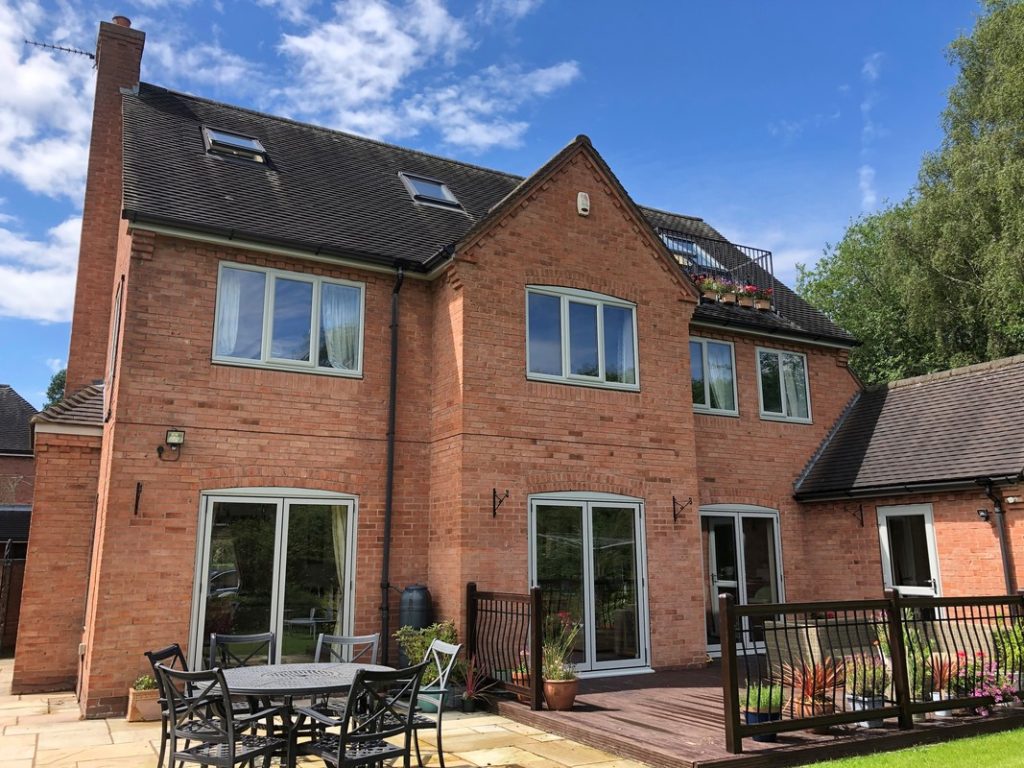
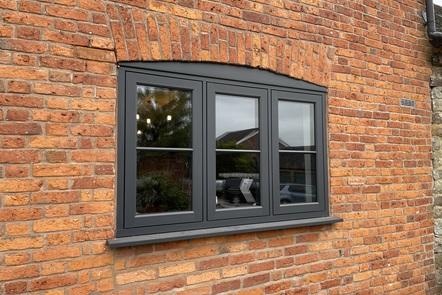
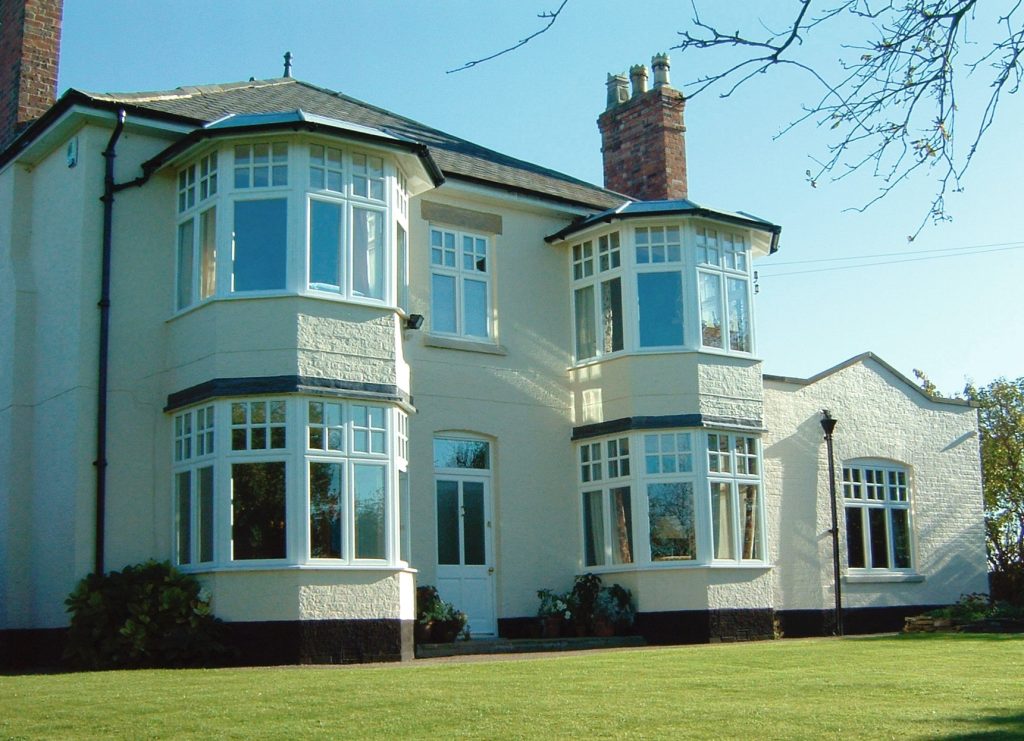
Which window gives me a better energy rating?
uPVC windows typically offer better energy ratings because their multi-chambered frames insulate naturally and can reach A+ or higher. Aluminium can also be efficient with modern thermal breaks, but uPVC generally provides lower heat loss. Your choice depends on whether maximum insulation or slim, modern design matters most for your home.
Do I need planning permission to change my windows?
You usually don’t need planning permission to replace windows on a house if they’re similar in style and size. Permission is required for flats, listed buildings, conservation areas, or major design changes. Adding new openings or altering window sizes also needs approval. Always check local council rules before starting or alternatively ask our expert sales team for advice.
What are U-values when talking about windows?
U-values measure a window’s insulation, showing how much heat passes through it. Lower U-values indicate better thermal performance, reducing heat loss, energy bills, and drafts. Factors affecting U-values include glazing type, gas fills, Low-E coatings, frame material, and seals. Triple-glazed, insulated frames achieve the lowest, most energy-efficient U-values.
What are secondary windows?
Secondary windows are an added layer of glazing installed inside existing windows, improving insulation, reducing noise, enhancing security, and cutting condensation. They are cost-effective, minimally disruptive, and ideal for older or listed homes where full window replacement isn’t possible, offering many benefits of double or triple glazing without altering the exterior.